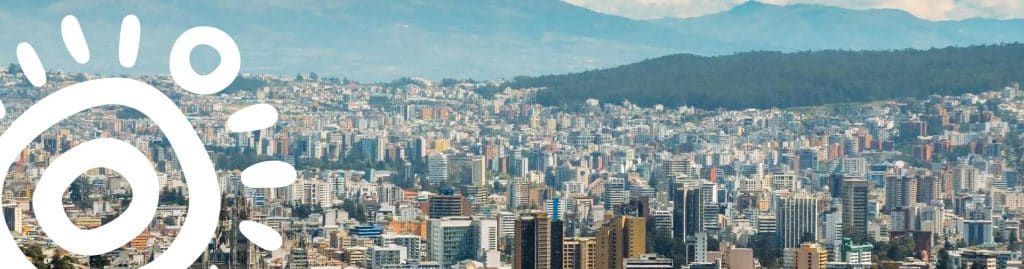
Quito is a vibrant, beautiful city that is easy to explore on foot, but it has one detail that may surprise you: it is located at an altitude of 2,850 meters above sea level.
If you come from the coast or from low-lying areas, it is normal to feel “slower” during the first few hours. The good news is that most discomforts can be managed with a simple plan to adapt. Here is a practical guide to acclimatize quickly, recognize warning signs, and enjoy Quito without the altitude ruining your trip.
Why does Quito feel “higher” and what is soroche?
At that altitude, the air has less pressure and your body receives less oxygen with each breath. Therefore, adaptation is not only mental but also physical. Additionally, arriving quickly (for example, on a direct flight from sea level) increases the chances of experiencing discomfort if you are sensitive.
What symptoms are normal and which ones are not?
The most common problem is acute mountain sickness (AMS), which appears between 6 and 12 hours after ascending to more than 2,500 m. Typical symptoms include headache, fatigue, dizziness, nausea, loss of appetite, and difficulty sleeping. It is important to know how to differentiate between mild symptoms and emergency signs: while headache and fatigue can be normal when adapting, difficulty breathing or confusion require immediate medical attention.
Why do some people feel it and others don’t?
It does not only depend on being fit. The speed at which you ascend, whether you have had problems before, exerting yourself too much at the beginning, not drinking enough water, and having heart or lung problems all play a role.
That is why even athletic people can feel unwell on the first day if they arrive by plane, walk a lot, do not rest well, and drink alcohol to celebrate. If you feel a little unwell, you can take common pain relievers like paracetamol or ibuprofen and home remedies like ginger infusions.
Important fact: Quito is the base, but your plans can go higher
Many tourist activities (high viewpoints, strenuous hikes, or excursions at higher altitudes) require more effort. The rule of thumb is: first adapt your body to Quito and then increase the intensity of your plan. Remember the causes of altitude discomfort and always listen to your body.
Plan to adapt in Quito: 24 to 48 hours without losing the trip
The best way to prevent altitude sickness is simple: start slowly and give your body time to adjust. Travel medicine experts advise not to continue ascending if you have symptoms and focus on resting and adapting gradually.
Day 1: arrive calmly (your goal is to “settle in”)
- Move, but without pushing yourself: Walk, yes, but short distances and with breaks. If you go to the Historic Center, take short walks and avoid long stairs at the beginning. Don’t try to “make the most of the day” as if you were in a city at sea level.
- Eat light and regularly: Prefer small and easy-to-digest meals, avoid overeating. If you feel nauseous, don’t force yourself to eat a lot; choose something soft and stay consistent.
- Stay well hydrated but carefully: Drink water throughout the day, but without taking large amounts at once. Dehydration can resemble altitude sickness (headache, fatigue), so find a good balance
Special note: alcohol and the first 24 hours
Avoid or greatly reduce alcohol on the first day: it can affect your sleep and hinder adaptation. This change makes a big difference for those visiting for a few days.
Day 2: increase the pace carefully (without overdoing it)
- From here you can do more physical activities: If you feel good, this is a good day for long walks, visiting viewpoints, or doing things that require more effort. If you have a strong headache or a lot of nausea upon waking up, don’t push yourself; adjust your plans.
- Go to bed early: Rest is key to adapting. If you didn’t sleep well on the first day, the second one may feel more difficult even if you are already in Quito.
- If you work as a digital nomad, carefully organize your schedules: Avoid demanding meetings or tasks right after arriving. Leave the afternoon of day 1 to settle in, have something light to eat, and rest; working with discomfort is not productive, it’s exhausting.
Important note: medications
There are medications that some travelers use to prevent or treat symptoms (such as acetazolamide or dexamethasone in specific cases), but they must be prescribed by a doctor according to your health and itinerary.
What to do if you feel unwell: practical advice and warning signs
The important thing at altitude is not to confuse a mild discomfort with a worsening problem. Most mild cases improve with rest, a slow pace, and time. But there are signs that need immediate attention.
If symptoms are mild
- Do not go higher and reduce the intensity of your activities: If you have a headache, dizziness, or nausea, avoid going higher or doing physical exertion. It is important not to continue ascending with symptoms and to wait until you feel better before continuing.
- Rest and evaluate how you feel: Rest, drink water, eat light foods, and check how you are after a few hours. If you improve or stay the same, continue like that. If you worsen, change your plan.
When descending helps
If the symptoms become stronger or do not improve, descending to a lower altitude is usually the best option. In general, it is recommended to descend until you feel better, sometimes going down hundreds of meters or more depending on the case.
Warning signs: when to seek urgent help
Serious problems due to altitude (such as cerebral or pulmonary edema) are emergencies. Signs to act quickly include confusion, difficulty maintaining balance or coordinating movements, shortness of breath even without exertion, coughing up foam or blood, or a severe worsening of the general condition.
What to do in Quito if an alert sign appears?
- Stop the activity and seek medical help immediately.
- If you are in Ecuador, call 911 (ECU 911), available all day and free from landline or mobile phones.
Home remedies for mild symptoms
If you only have mild discomfort, try these home remedies:
- Rest: Get plenty of sleep and let your body recover.
- Drink water: Stay hydrated; herbal teas also help.
- Eat light: Prefer easily digestible foods like rice, bananas, or toast
You can also use common pain relievers like paracetamol or ibuprofen to relieve headaches or general discomfort. But consult a doctor if the symptoms do not improve or worsen.
Conclusion
The altitude in Quito doesn’t have to ruin your trip: most visitors adapt well if they take care of the first 24 to 48 hours. Arrive calmly, hydrate well, eat light, avoid alcohol at first, and don’t turn your first day into a marathon. If symptoms appear, slow down and don’t go higher until you feel better; and if a warning sign arises, act quickly and seek help. Quito is enjoyed more when your body is in tune with the plan, not fighting against it.
FAQs (Frequently Asked Questions)
Quito is situated at 2,850 meters above sea level, and the high altitude causes physiological adaptation challenges for newcomers from lower areas, leading to initial slowness and potential discomfort.
Acute mountain sickness typically appears 6-12 hours after ascent above 2,500 meters and includes symptoms such as headache, fatigue, dizziness, nausea, loss of appetite, and sleep disturbances.
Adaptation involves a slow pace initially with gentle movements and short walks on Day 1, light meals and good hydration without excess alcohol, increasing activity gradually if feeling well by Day 2, prioritizing sleep for acclimatization, and avoiding demanding activities upon arrival.
Factors include rapid ascent speed, prior history of altitude sickness, early physical exertion after arrival, dehydration, and existing cardiopulmonary conditions.
Mild discomfort can usually be resolved with rest, low-intensity activities, hydration, light meals, and time. Severe symptoms, such as confusion, balance problems, difficulty breathing at rest, or coughing up frothy/bloody sputum, require immediate medical attention and possibly a descent to a lower altitude.
Medications can be used for prevention or treatment, but they require professional medical guidance tailored to each individual’s medical history and travel itinerary. Self-medication is not recommended.